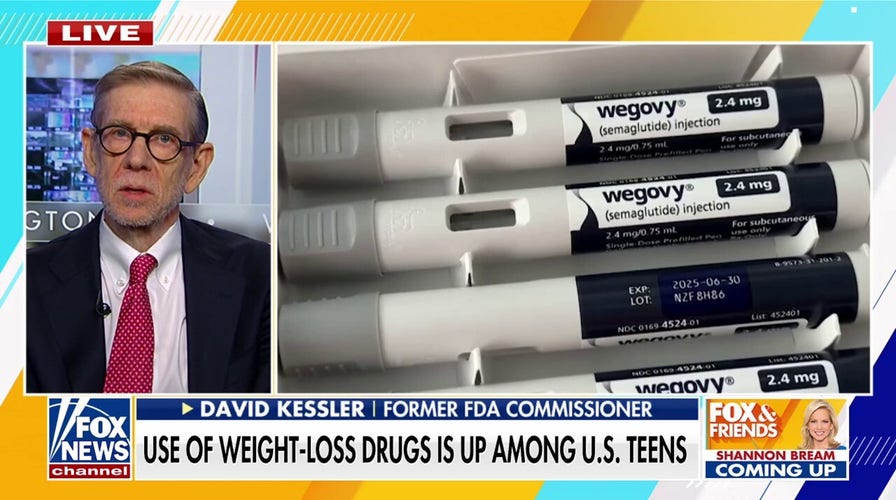
These medications work best when used consistentlyfor example, if you are using Ozempic for Type 2 diabetes, injecting it once weekly as directed helps keep your blood glucose levels controlled
observed that patients with sepsis show higher activity of neuraminidase, which affects erythrocyte rheology [381]
Insufficient sleep (typically defined as less than seven hours nightly) disrupts hormones that regulate appetite, increasing ghrelin (which stimulates hunger) and decreasing leptin (which signals fullness)
As both play very important roles in the immune response, and the status or availability of one has been shown to directly affect the other, it is likely that deficiency of either can have a direct effect on the severity of COVID-19 as well as many other diseases therefore, taking steps to ensure adequate levels of both is essential to better health
The precise timeline based on clinical trial tracking: Weeks 1-3: Mild symptoms beginning, most patients adapting to medication Weeks 4-8: Peak side effect period highest nausea, GI symptoms at their worst Weeks 9-12: Rapid improvement, most GI symptoms resolving Weeks 13-24: Minimal symptoms for most, discontinuation rate drops to under 2% Weeks 25-48: Essentially no side effects for 85%+, focus shifts to weight maintenance According to research published in the New England Journal of Medicine on GLP-1 agonists, this pattern is consistent across the entire class of incretin-based therapies