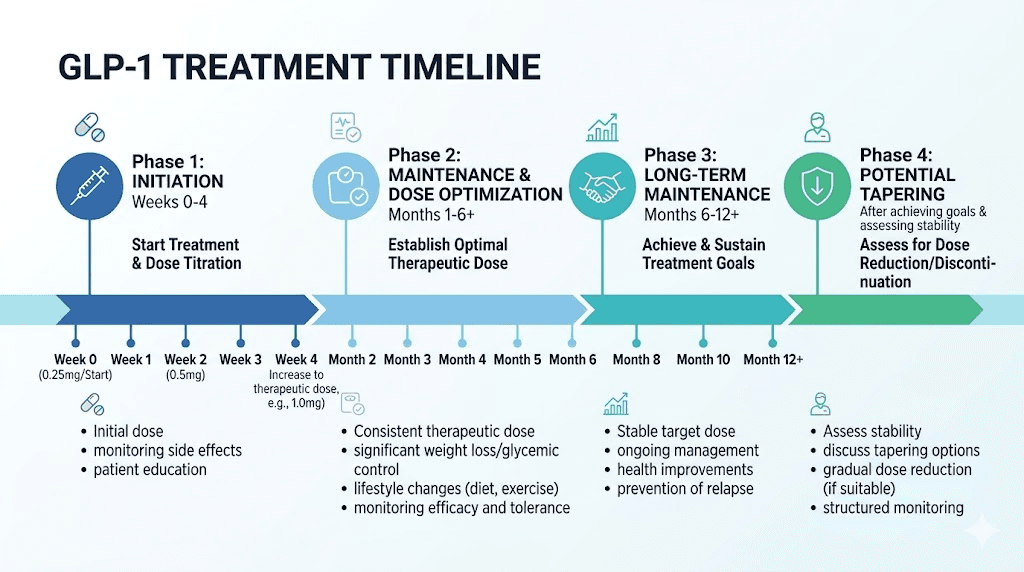
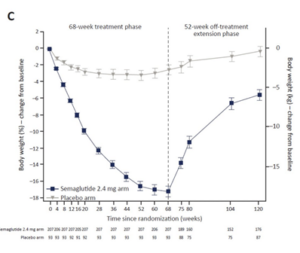
GLP-1R agonists are considered a chronic, long-term therapy to be taken indefinitely once treatment has started, and although for pharma companies it is great news economically, for patients it is a huge burden
[12] It can show up as fatigue, less interest in hobbies, or a general blah mood
7 , 10 Changes in conduction velocity can affect susceptibility to re-entry and AF occurrence
reassess after several weeks using objective logs and patient-reported feedback
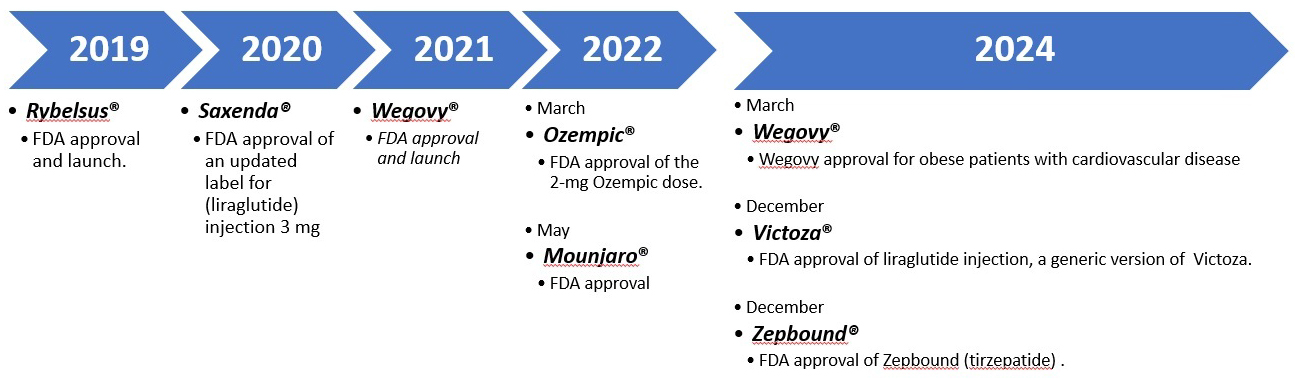
While Novo Nordisk and rival obesity therapy manufacturer Eli Lilly are starting to overcome the production constraints that coupled with massive demand have resulted in shortages, Noom's WSJ ad calls for US policymakers to keep the status in place "until GLP-1s cost the same in NYC and London." The FDA has received adverse event reports involving patients who have used them and has taken action against some compounders making versions available based on salt forms of the drug that are unapproved, including semaglutide sodium and semaglutide acetate, so the availability of compounded forms has become controversial












![(Flora und Vegetation der Schlucht des Flusses Warzob. [engel-29047] 3495](https://cdn.shopify.com/s/files/1/0903/8521/9915/files/1_20250517_163427_0000_89958555-ee91-49be-b6a2-75a5f96d89c2.png?v=1784943719)