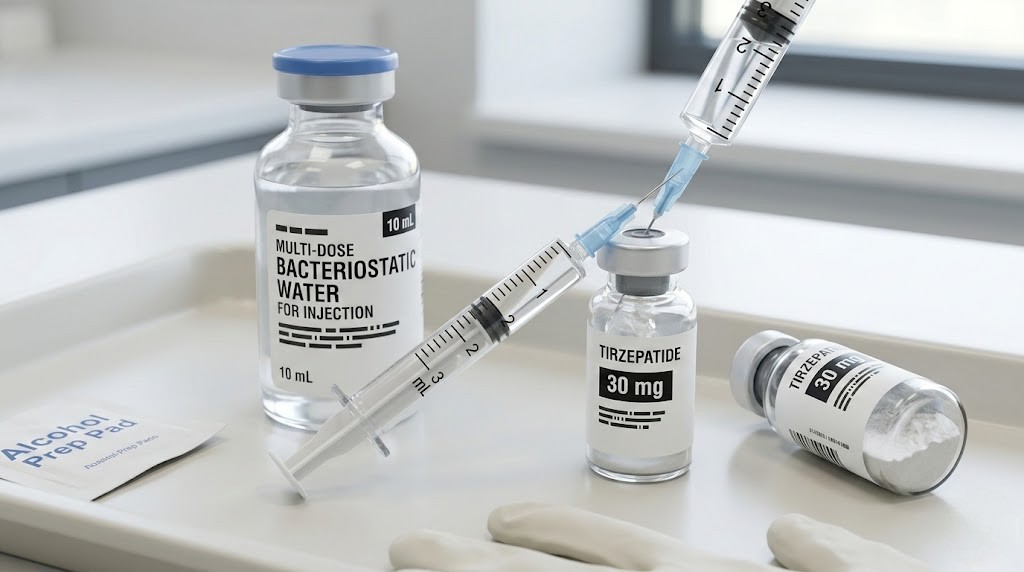
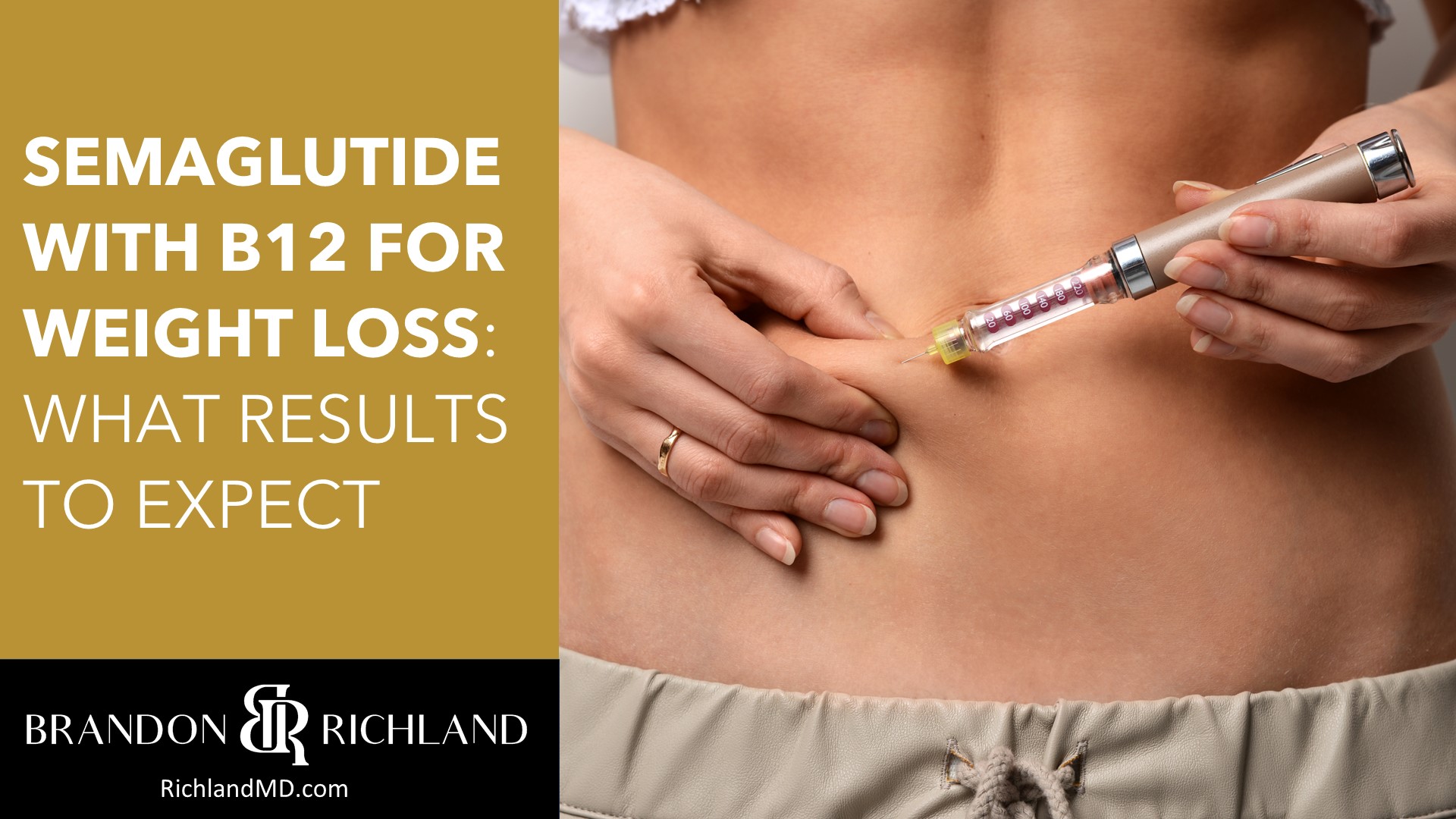
In clinical trials, semaglutide and tirzepatide lowered systolic blood pressure by an average of 36 mmHg in overweight patients without pre-existing hypotension
Adaptogens like ashwagandha and rhodiola, along with L-theanine and phosphatidylserine, help address this
Serotonin syndrome (too much serotonin in the body) due to drug interactions with other serotonergic drugs such as tricyclic antidepressants, monoamine oxidase inhibitors (MAOIs), selective serotonin reuptake inhibitors (SSRIs), serotonin norepinephrine reuptake inhibitors (SNRIs), lithium, triptans, fentanyl, tramadol, buspirone, tryptophan, and St
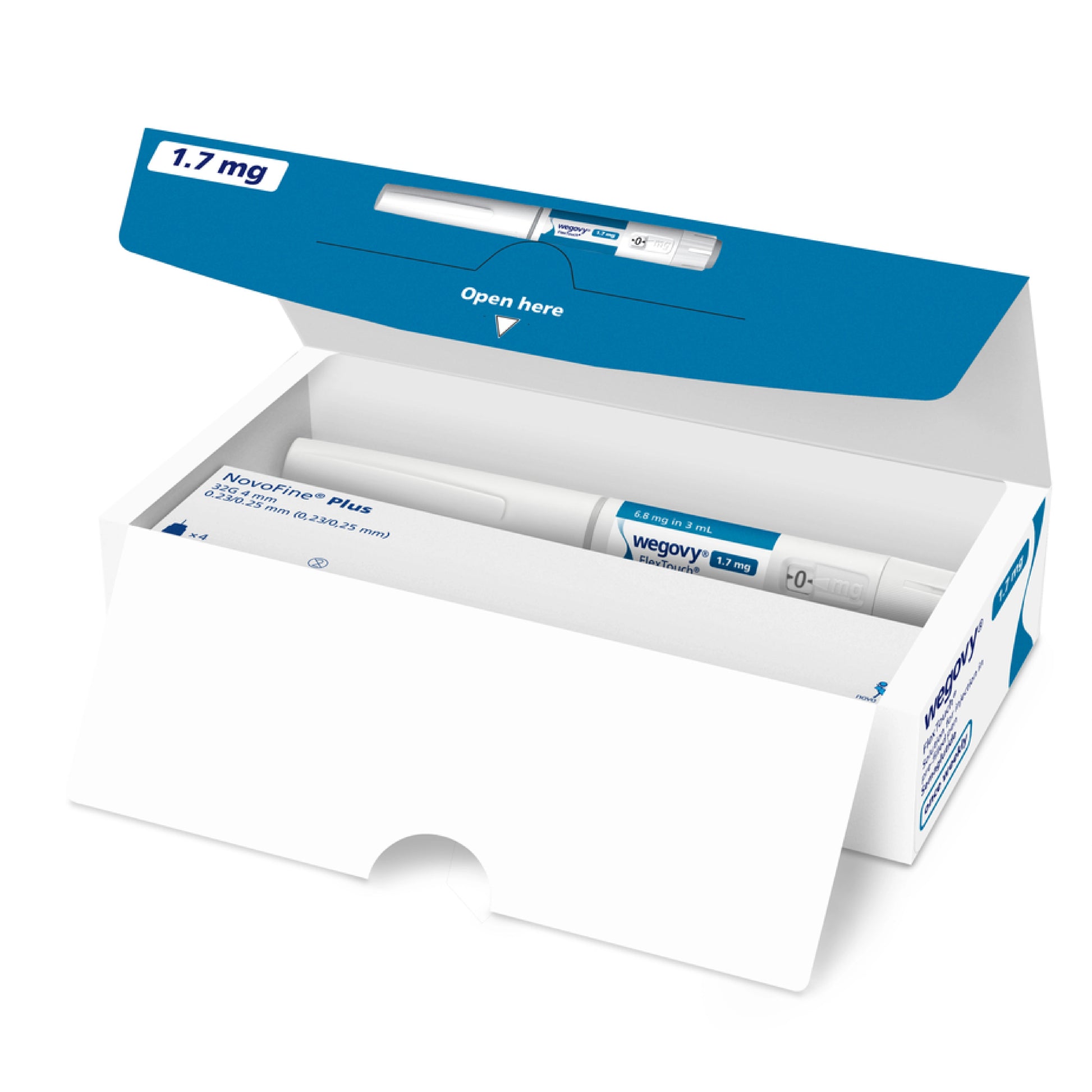
Safety Concerns Documented risks include: Contamination risk with multiple pen entries Dosing errors more likely with complex regimens 55% of microdosers self-medicate without medical supervision Use of non-FDA approved compounded formulations 22% regret rate among microdosers Mathematical Modeling: What the Numbers Say Pharmacokinetic Simulations Recent mathematical models using real-world pharmacokinetic data reveal: *Theoretical efficacy based on area under curve (AUC) maintenance Key Modeling Insights Diminishing returns: Daily dosing provides minimal additional benefit over 3x weekly Efficacy threshold: Models suggest 75% efficacy retention even with daily microdosing Individual variation: Fast metabolizers may benefit more from split dosing Dose adjustment needed: Total weekly dose may need 10-20% increase with microdosing Open-source availability: Researchers have made pharmacokinetic models publicly available at GitHub (seanlawley/glp1) for those interested in exploring dosing optimization strategies
For intracellular staining of phospho(p)-mTOR (Fisher Scientific 15549836) and p-S6 (eBioscience 15528216), cells were first stained for extracellular markers, fixed in 2% FA at RT, and stained for p-mTOR and p-S6 diluted 1:200 in saponin 5 g/mL


.webp)