Dietary interventions form a cornerstone of IBS management: General dietary advice : Regular meal patterns, adequate hydration (8 glasses of fluid daily), limiting caffeine and alcohol, and reducing fatty or spicy foods Fibre modification : Soluble fibre (such as ispaghula/psyllium) may help, whilst insoluble fibre (bran) can worsen symptoms Low FODMAP diet : A structured elimination and reintroduction protocol, supervised by a registered dietitian, can identify specific carbohydrate triggers Probiotics : Certain strains may provide benefit, though evidence varies Pharmacological treatments are tailored to predominant symptoms: For IBS-D : Loperamide (antimotility agent) for diarrhoea
The cycling protocols commonly recommended are partly based on this theoretical concern, though actual tolerance development has not been documented
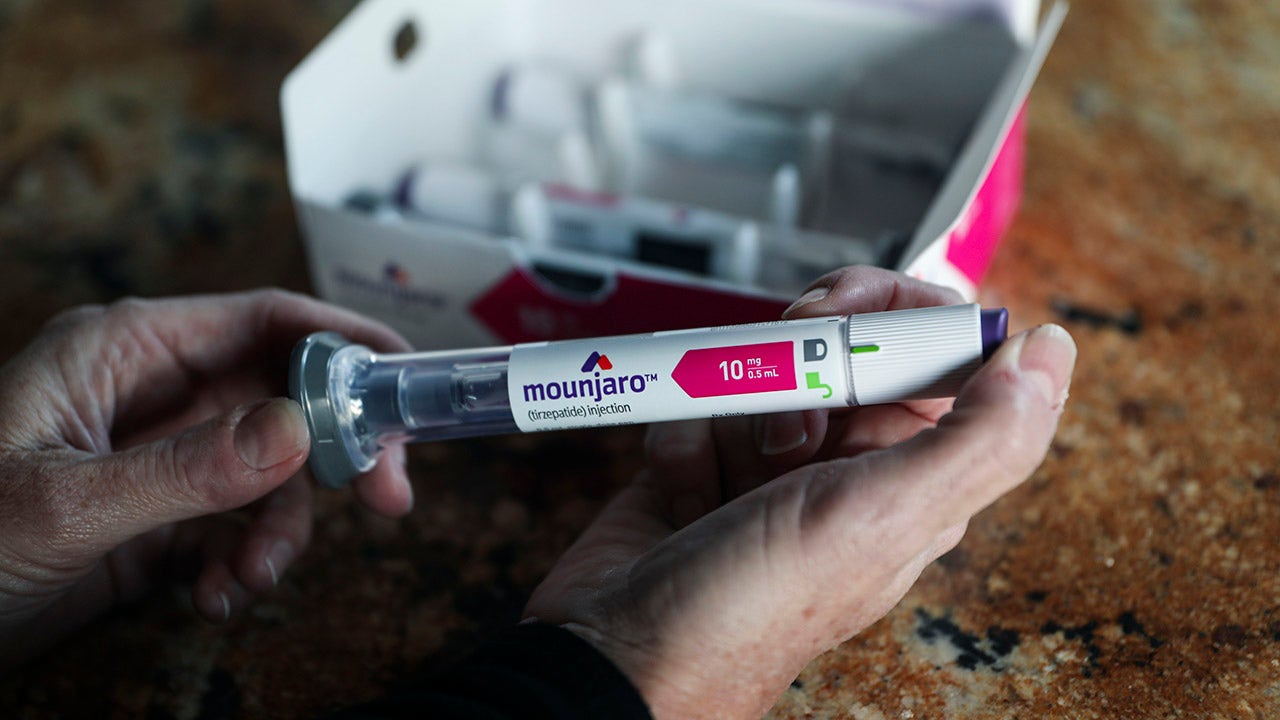
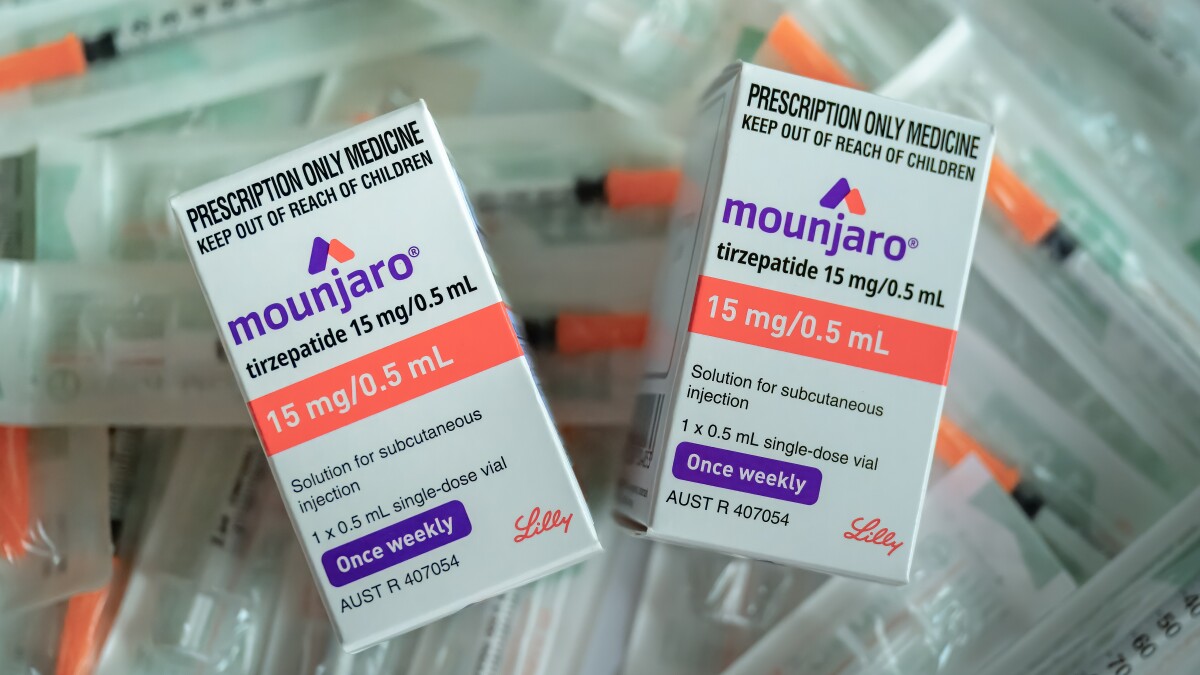
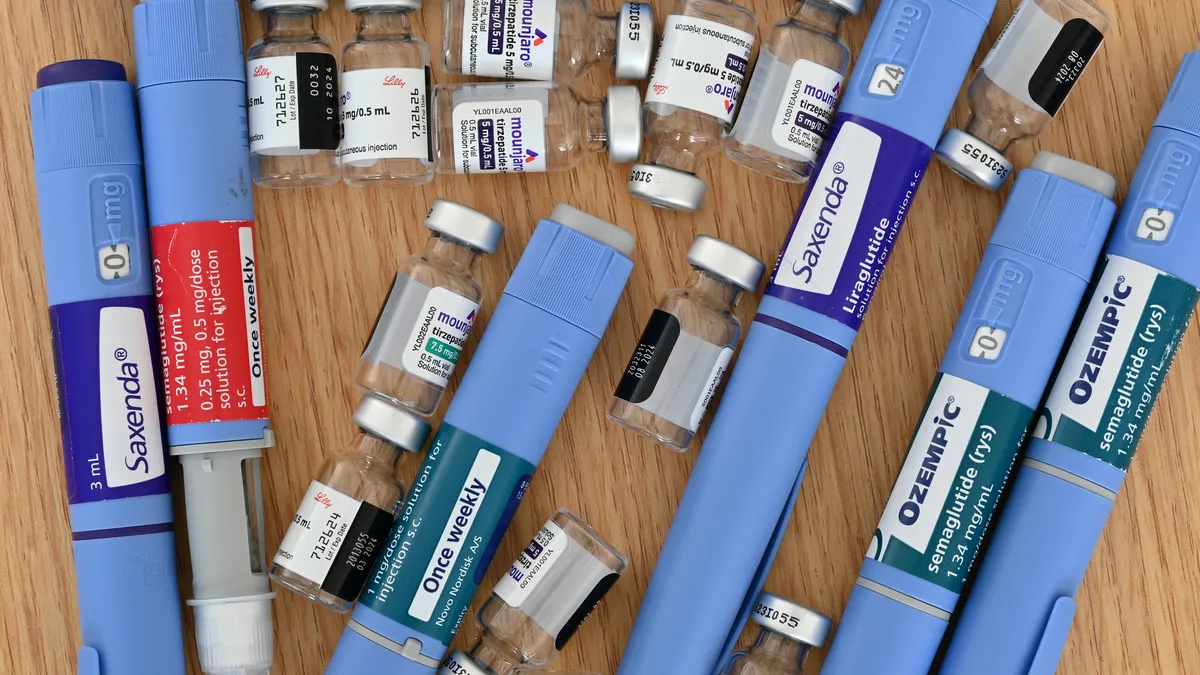
For gastrointestinal claims, Mounjaro lawsuits are pursued against Eli Lilly separately from the Novo Nordisk MDL
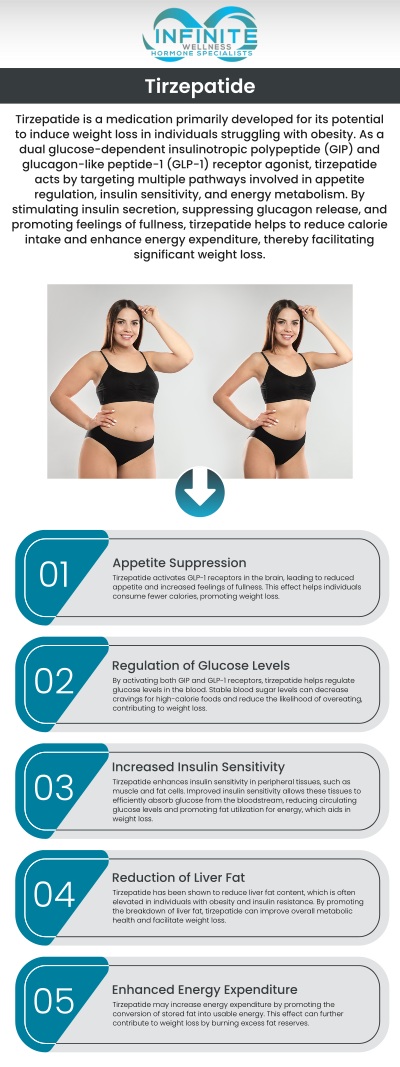
Additionally, people with specific health conditions that make weight loss difficult may benefit from the support of weight loss shots under medical help
While these brain tumors are generally benign, they can cause debilitating symptoms such as persistent headaches, fatigue, vertigo, and vision disturbances





![tirzepatide court UPDATE [March 7, 2025]: OFA takes case to appeals as legal battle evolves FDA's tirzepatide decision creates uncertainty court ruling on tirzepatide case –](https://static.wixstatic.com/media/60489a_95b142b425f4416b99f8a052fde88da7~mv2.jpg/v1/fill/w_980,h_551,al_c,q_85,usm_0.66_1.00_0.01,enc_avif,quality_auto/60489a_95b142b425f4416b99f8a052fde88da7~mv2.jpg)