Urgent situations requiring immediate medical attention include: Severe, persistent abdominal pain (with or without vomiting), which may indicate pancreatitis Signs of gallbladder disease (right upper quadrant pain, nausea) Persistent vomiting leading to inability to keep fluids down or signs of dehydration Specific situations requiring consultation include: Persistent gastrointestinal symptoms (nausea, vomiting, diarrhea) lasting beyond the initial adjustment period Unintended weight loss exceeding clinical targets or occurring too rapidly Signs of nutritional deficiency such as fatigue, weakness, hair loss, brittle nails, or neurological symptoms Difficulty meeting protein or caloric needs through diet alone Consideration of high-dose supplements or specialized nutritional products Use of multiple supplements or herbal products with potential interactions Need for medication adjustments if also taking insulin or sulfonylureas to prevent hypoglycemia Patients who are pregnant, planning pregnancy, or breastfeeding should discuss all medications and supplements with their healthcare provider, as certain products may be contraindicated
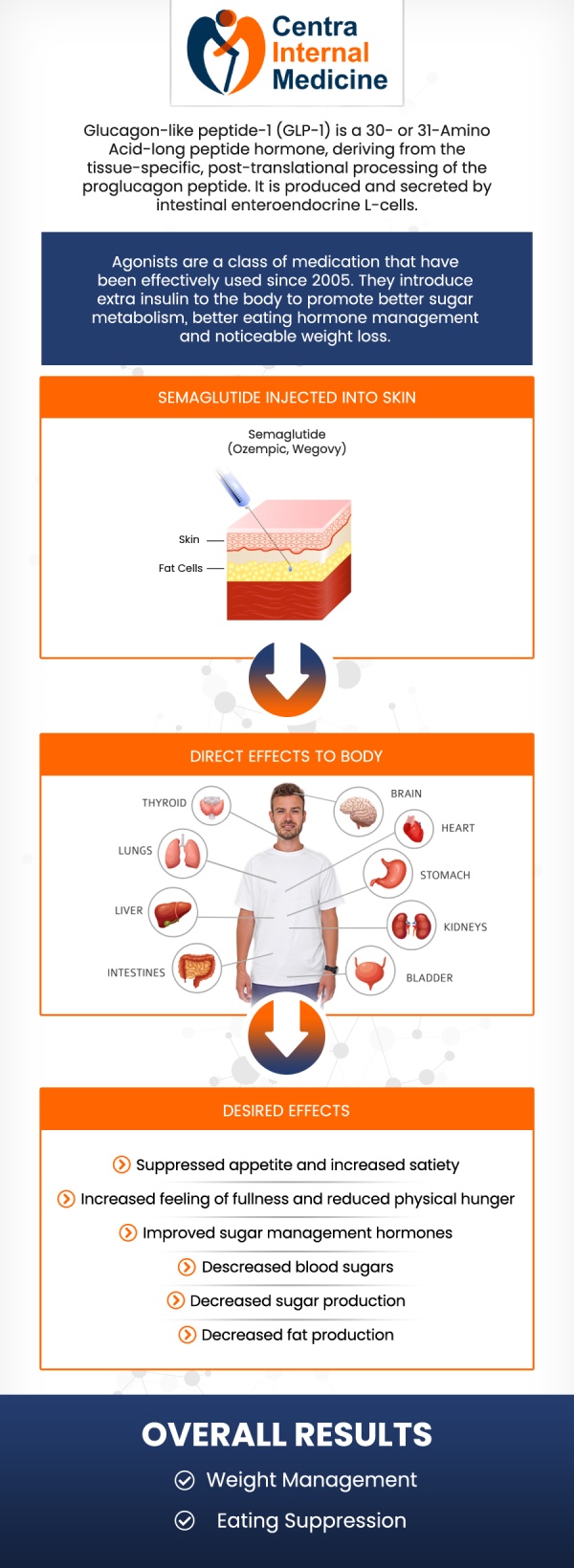
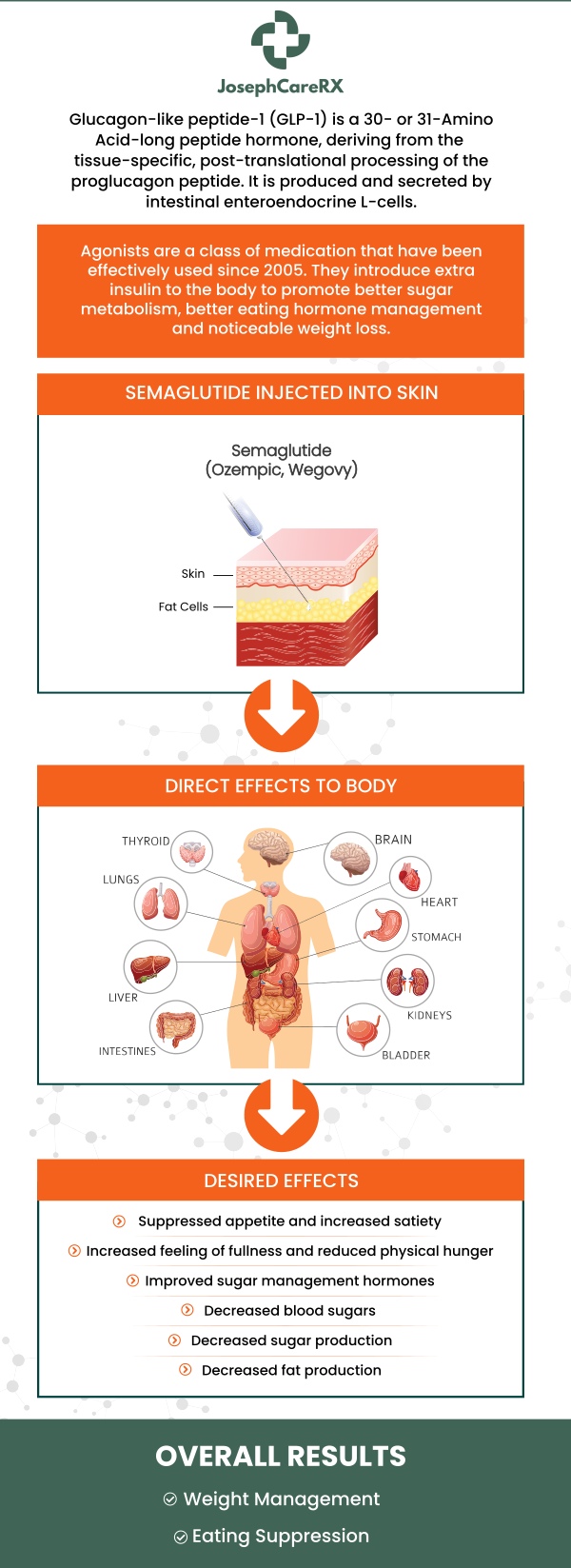
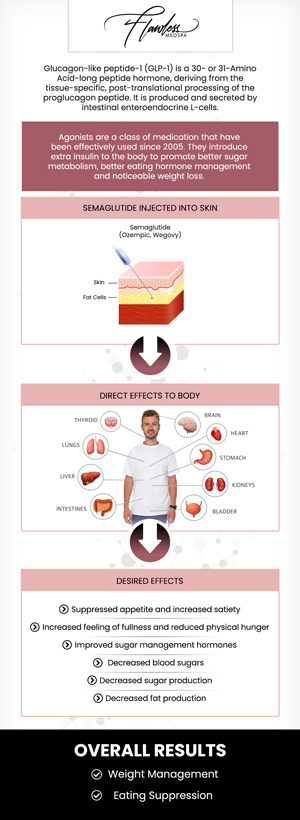
Research in the 2016 review shows that these fatty acids then signal special cells in the gut to release GLP-1 into the bloodstream
Cycle Strategies For AOD-9604 Peptide AOD9604 is typically run in short cycles rather than continuous year-round use: Cycle Length: 412 weeks, depending on body composition goals Break Periods: Taking 24 weeks off between cycles may help maintain sensitivity and responsiveness Expected Results: Clinical data shows reductions in fat mass may start appearing after 68 weeks of consistent use, but results vary based on diet, training, and metabolic health (trial overview) Stacking AOD9604 with Other Peptides or Supplements Many athletes and clinics stack AOD9604 with other compounds to enhance its fat-burning potential: CJC1295 + Ipamorelin Promotes growth hormone release, potentially amplifying fat-loss effects
Because of its triple-action mechanism, it appears to have a broader metabolic impact compared with traditional GLP-1 agonists like Wegovy and Mounjaro
Lipo-C Research Highlights Commonly evaluated in metabolic pathway research Studied for receptor interaction related to energy balance and nutrient signaling Used in controlled in vitro and laboratory research models Helpful for comparing incretin, lipolysis, and metabolic signaling models Lipo-C Research Background Lipo-C appears in research discussions related to lipotropic and metabolic cofactor research

















![Harley Davidson Dyna Modelle 2006-2017 mit Ausnahme von Dyna Street Bob (FXDB) 2009-2017 [2006-2017] - Packtaschenbügel, schwarz 1000 SS KÖWE](https://cdn.shopify.com/s/files/1/0871/4616/8646/files/7225.jpg?v=1757799621)