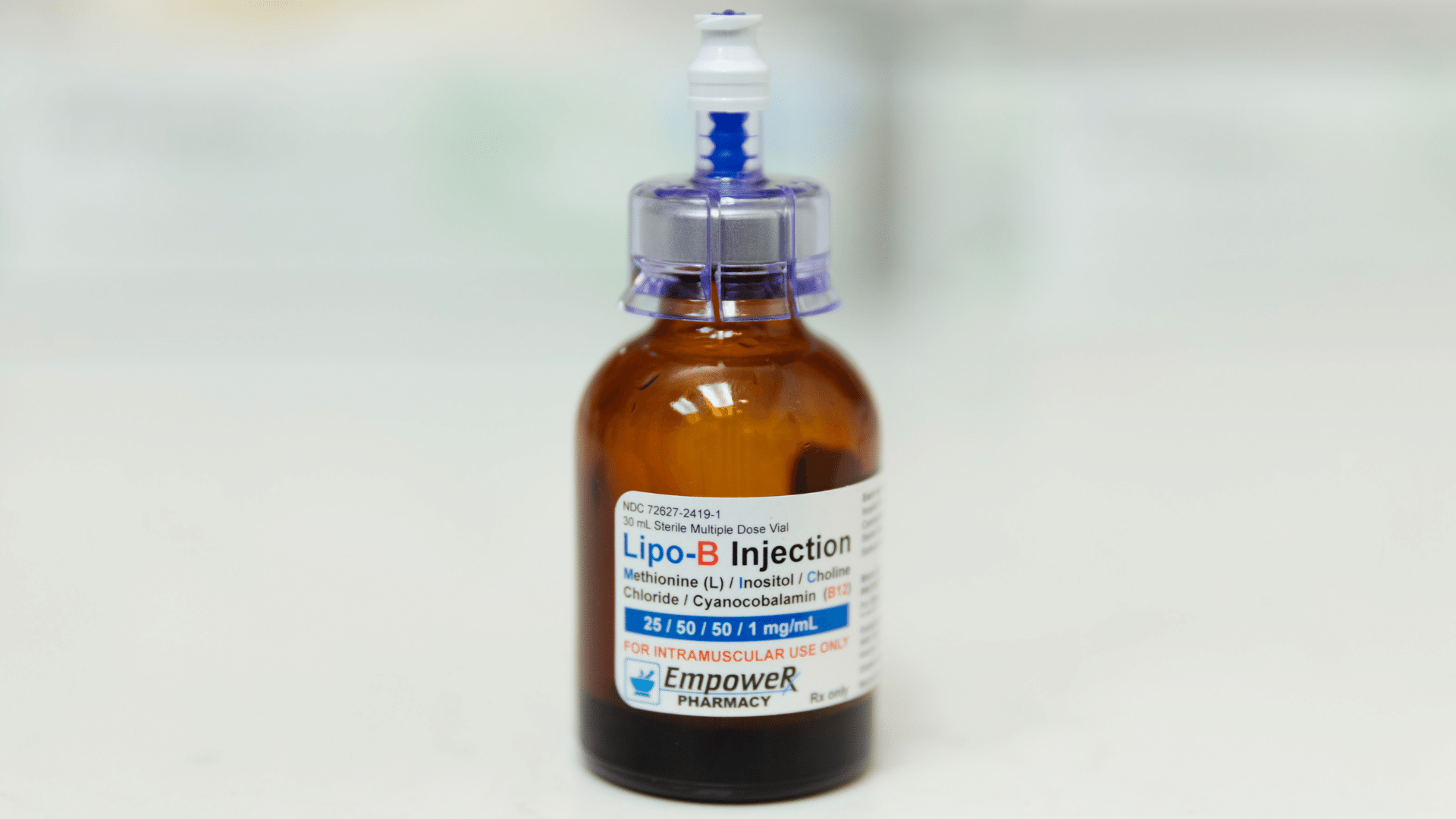
B12 is known to play a key role in numerous functions in the body, including (but not limited to): DNA and red blood cell formation Maintaining a healthy metabolism and digestion Synthesis of neurotransmitters and hormones Energy production Nerve cell health Gene and enzyme regulation Athletic prep or recovery Vitamin B12 shots may also help reduce the risk of the following conditions: heart disease, neurological function, stroke, cognitive functions such as thinking and memory, problems with fertility, and neural tube defects in children born to parents with a vitamin B12 deficiency
Impatience and inconsistency Skipping doses, bouncing between strategies, or giving up early guarantees failure
The NHS Inform Scotland guidance ties the maintenance schedule to the cause of the deficiency, which is why the plan is revisited rather than left on autopilot
Biotin helps support scalp health, reinforcing hair strength and breakage resistance
Subcutaneous injection bypasses first-pass hepatic metabolism and delivers near 100% bioavailability, which is why all published rodent studies use injection rather than oral dosing