Gp78 serves as an E3 ubiquitin ligase anchored to the endoplasmic reticulum (ER) membrane, participating in the ubiquitination and subsequent degradation of specific proteins, leading to mitophagy
Skin naturally possesses a protective barrier to keep external aggressors out.This same function can impede how a topical product is absorbed
Etiology Genetics COL5A1 or COL5A2 mutation in 40-50% less common mutations identified below Associated conditions Connective tissue disorder characterized by hyperelastic/fragile skin joint hypermobility and dislocation generalized ligamentous laxity poor wound healing early onset arthritis additional features Classification Berlin Classification (1988) - revised Types I - XI exist Types II and III - most common and least disabling Villefranche Classification (1998) Presentation Symptoms double-jointedness easily damaged, bruised, & stretchy skin easy scarring & poor wound healing increased joint mobility, joint popping, early arthritis especially shoulders, patellae, ankles chronic musculoskeletal pain (50%) Physical exam a score of 5 or more on 9-point Beighton-Horan scale defines joint hypermobility
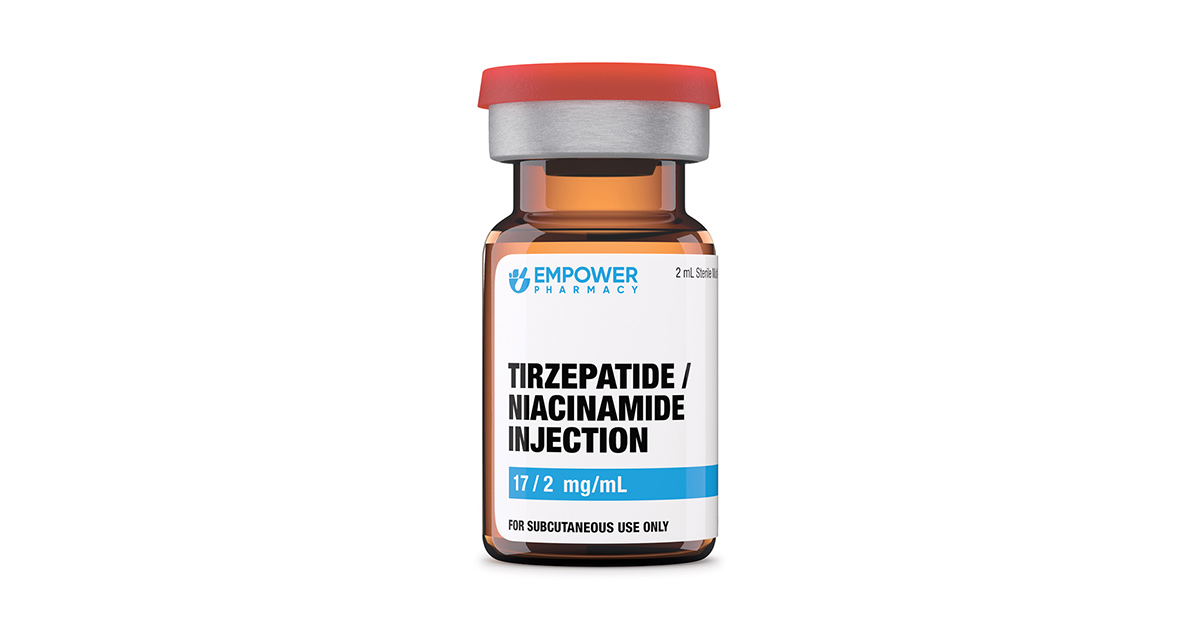
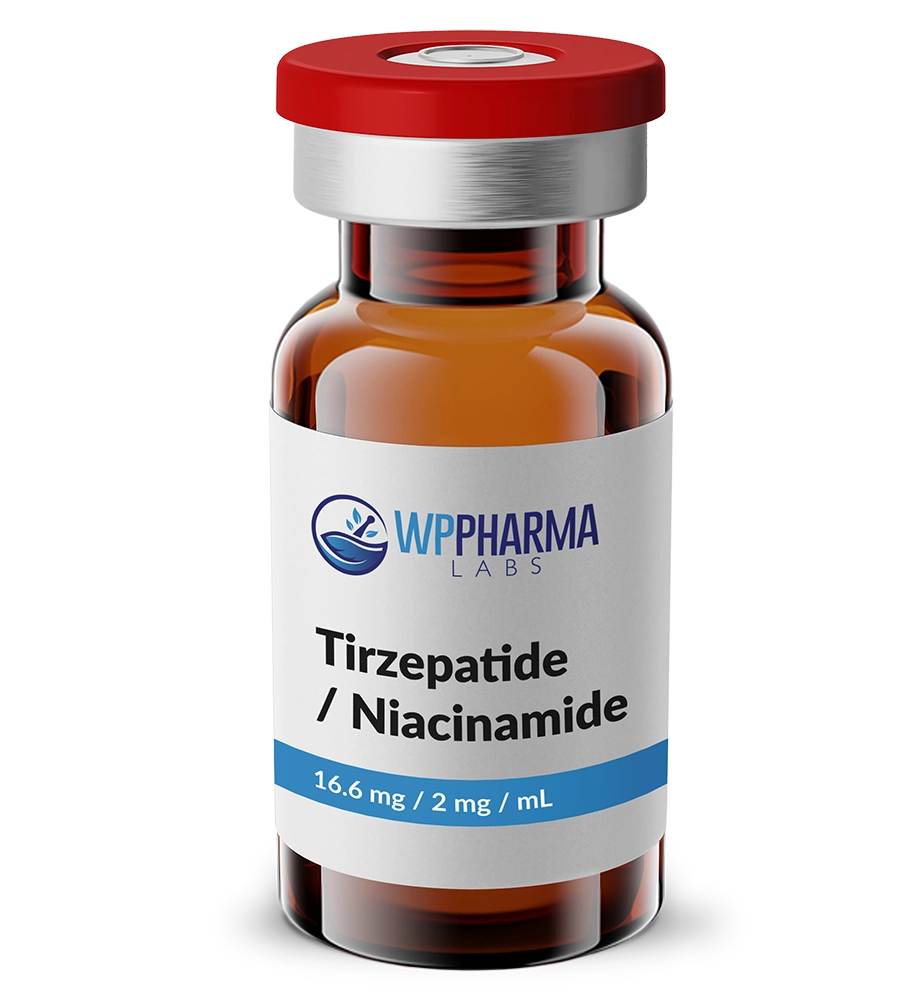
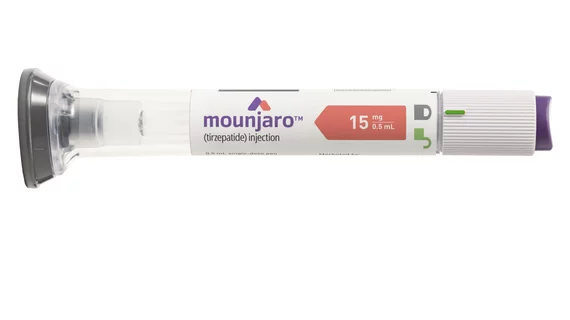
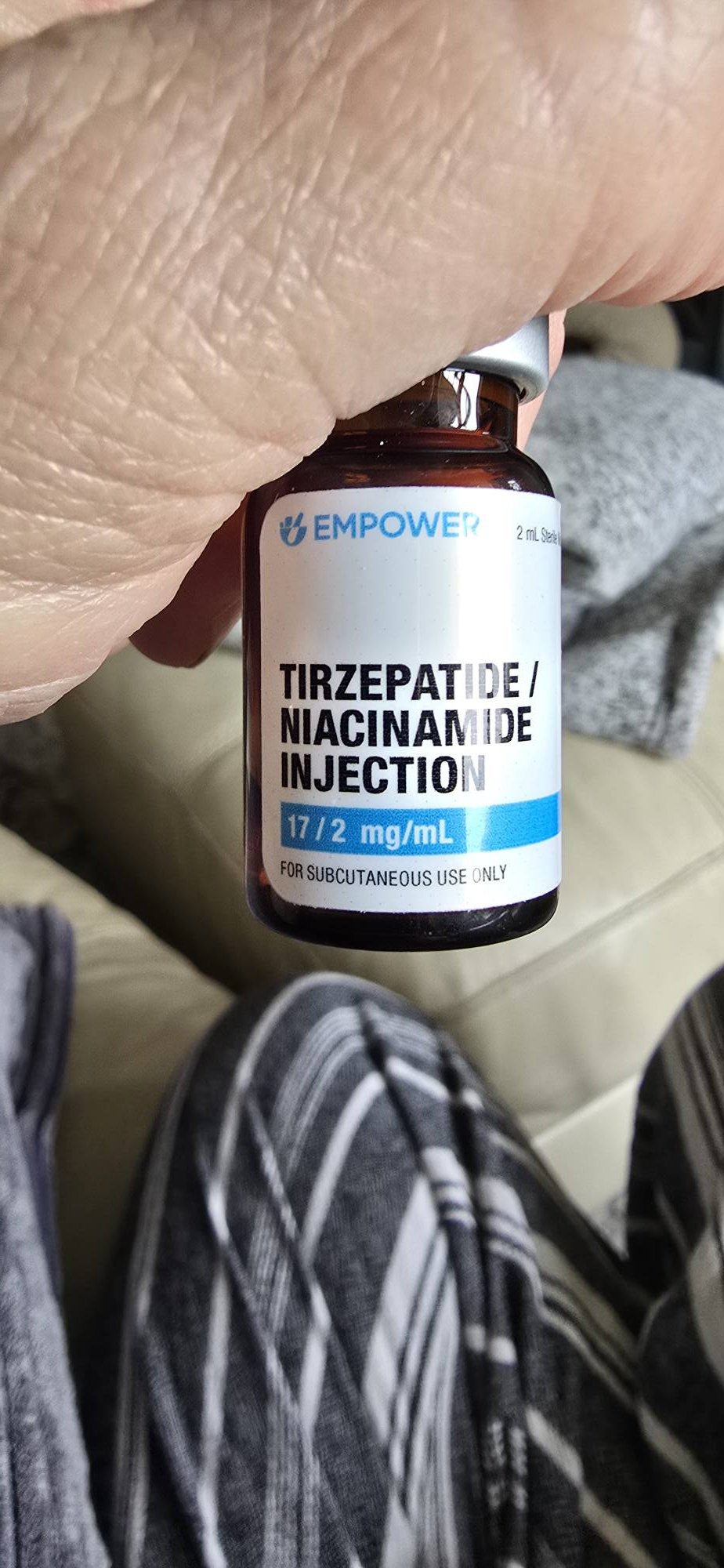
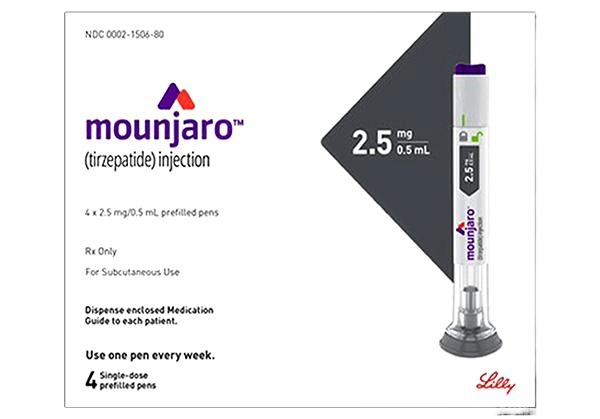
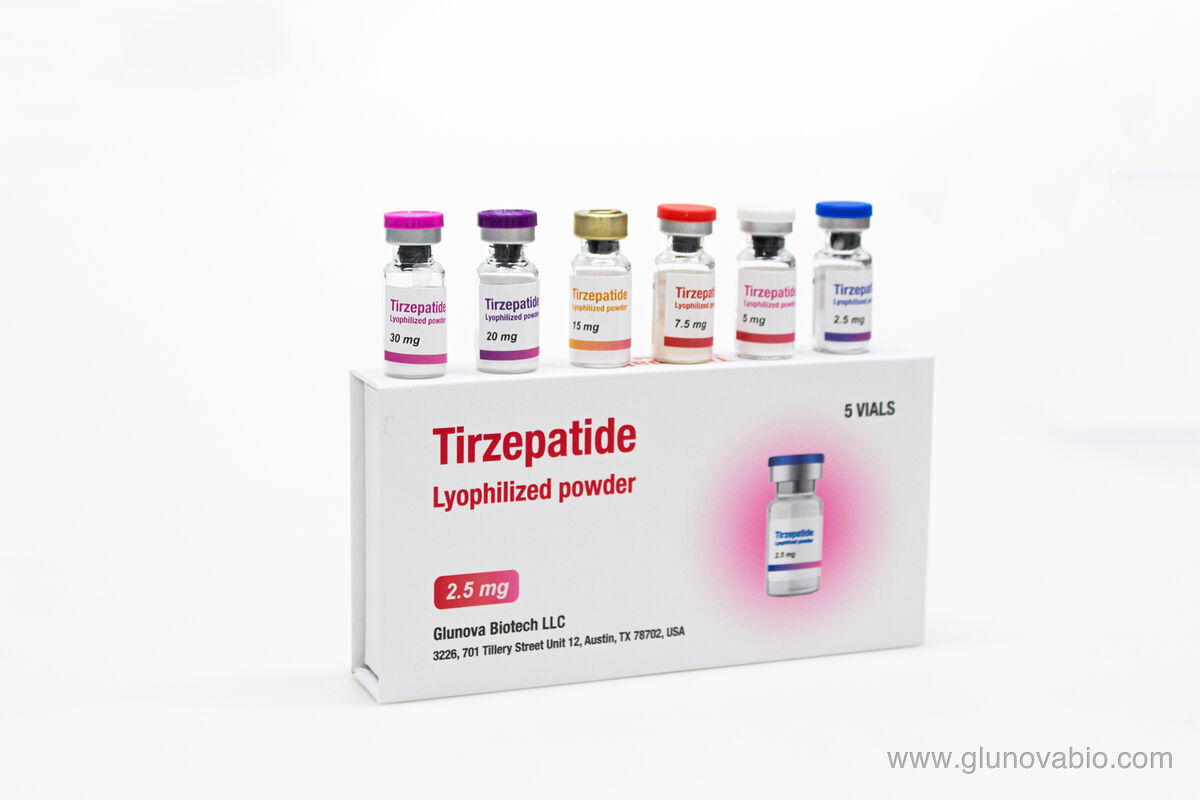
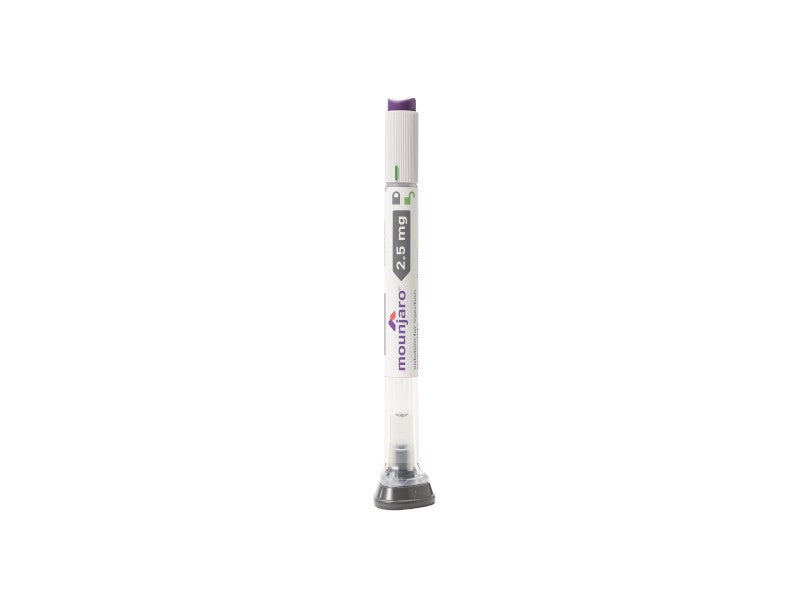
[7] This article walks through what the FDA actually proposed, what the proposal does not do, and what you should ask if you are using a compounded GLP-1 today
doi: 10.1038/nature02553 176 ScottL